
Emptying the old one is the part nobody owns. Moving, consolidating, or downsizing in San Diego leaves you with a floor of office furniture and a lab full of casework, and both have to be out by a date somebody else set.
Thirty minutes with our CEO. No pitch deck, no proposal, no obligation. You leave with a liquidation strategy for the furniture and the lab assets both.
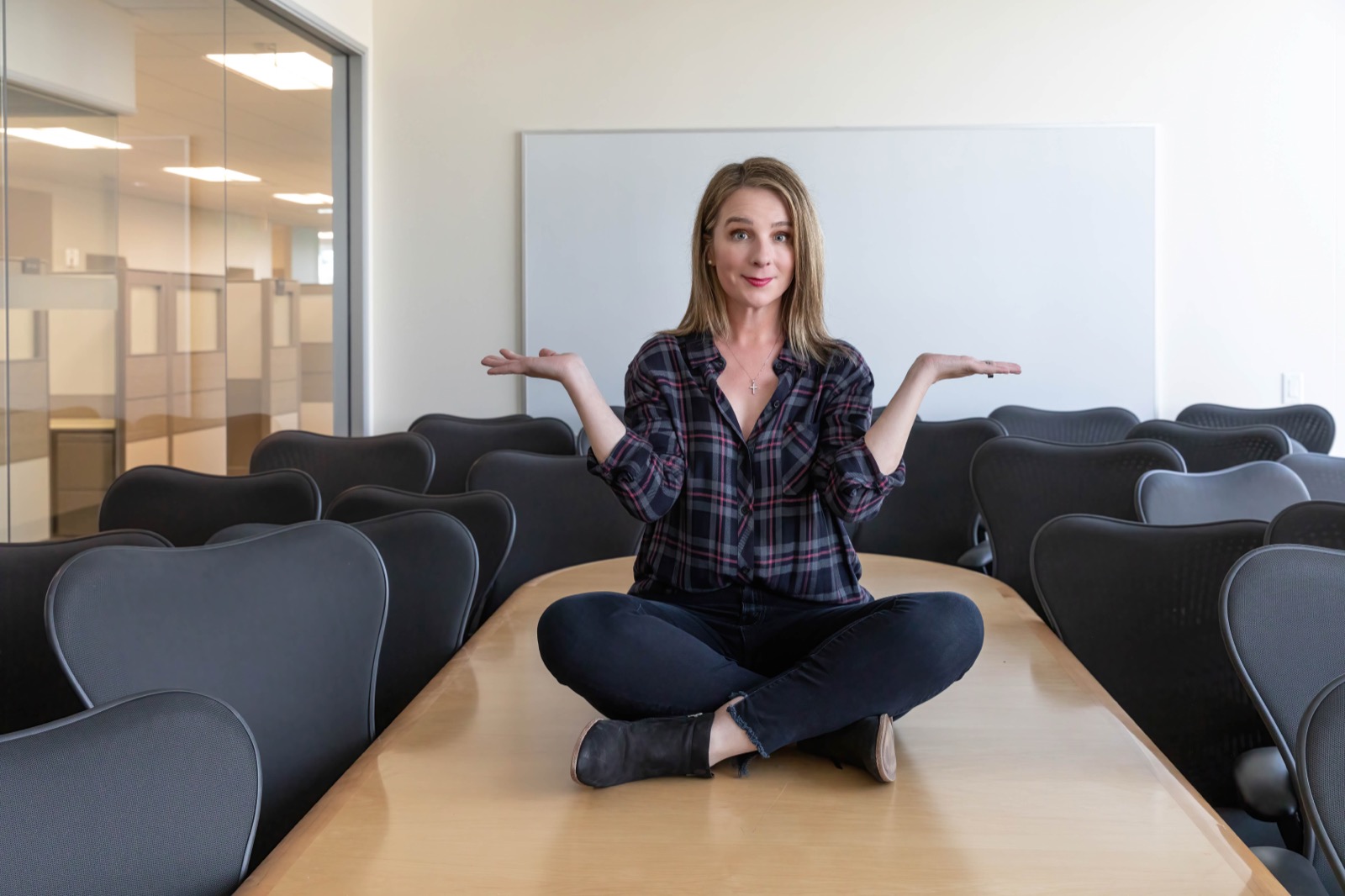
Someone else has been handling the real estate. Then the contents of the current building turn out to be nobody's job, usually about a month before handover.
New benching, new casework, new hood layout, drawn around the programme you are running next. Which means the fit-out in the building you are leaving is surplus on day one, and it is worth real money to somebody standing up their first lab.
A merger, an acquisition, or a portfolio cleanup collapses two buildings into one. You end up with duplicate everything: two floors of workstations, two labs' worth of casework, and one facilities lead holding both keys.
A programme ends, a raise comes in smaller than planned, or the office count drops and the bench count with it. Nothing is leaving the site, but a lot of it is leaving the floor plan, and surplus with no plan becomes surplus in a hallway.
Lab fit-out gets written off as part of the demolition line because it is bolted down and it looks permanent. Most of it is neither. There is a real second life market for it, and the buyer is usually a company two exits down doing what you were doing five years ago.
A bench installed for a programme that ran four years is not used up. It is unfashionable for your next fit-out and perfectly good for somebody else's first one. The reason it goes in a skip is a calendar problem, not a condition problem.
Pounds of office furniture the US throws away every year.
Of quality commercial furniture that ends up in a landfill.
Pounds RESEAT has kept out of landfills so far.
What second life product saves a buyer against the same piece new.
Most of what decides a San Diego decommission is the building and the lease, not the furniture. These are the things that come up on the first call, because they are the ones that move dates and change the number.
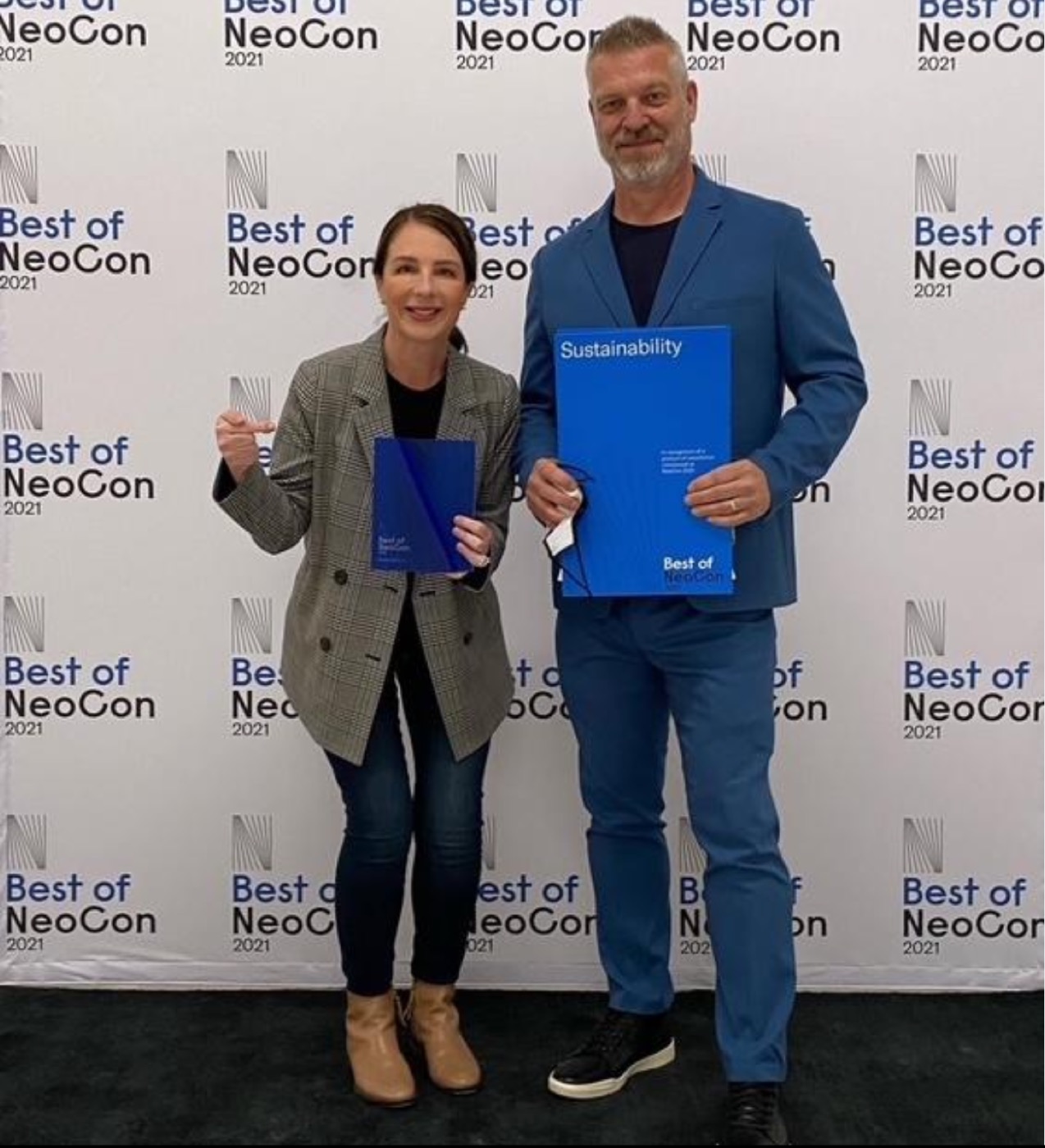
Brandi Susewitz is RESEAT's co-founder and CEO. She and Eric Susewitz started the company on a single observation: 17 billion pounds of office furniture goes in the ground every year in the US, and 99% of the good commercial product follows it. Not because anybody is careless. Because nobody had a plan for it.
That is the whole company. Furniture sits in a hallway for two weeks and ends up on the curb, and the difference between a curb and a check is almost always how early somebody thought about it. RESEAT has kept 12M+ pounds out of landfills working that one problem, and the work has been recognised at Best of NeoCon.
On this call she is working your building, your dates, your restoration clause and your mix. What resells, what is worth a donation letter, what genuinely has to be recycled, and the order it should happen in so the value is still there when the crew arrives.
Four things, in this order. If your situation is simpler than this, it takes twenty minutes and you get the rest back.
Office counts, lab footprint, casework and benching, rough condition. Estimates are fine. Nobody needs an asset register for this conversation.
Handover date, restoration obligations, decon schedule, and who signs off. This is usually where the real constraints are hiding.
What resells, what redeploys, what gets donated with a tax letter, what has to be recycled. In that order, because that is the order that recovers value.
What happens when, who runs each part, and a realistic range for what it recovers or costs. Not a quote. A plan you could hand to your PM.
Thirty minutes with Brandi Susewitz, RESEAT co-founder and CEO. Bring your lease dates, your restoration clause if you have it to hand, and a rough sense of the office and lab footprint. You will leave with a liquidation strategy whether or not you ever work with us.
A little bit of forethought can end a lot of waste.
Book 30 minutes with Brandi